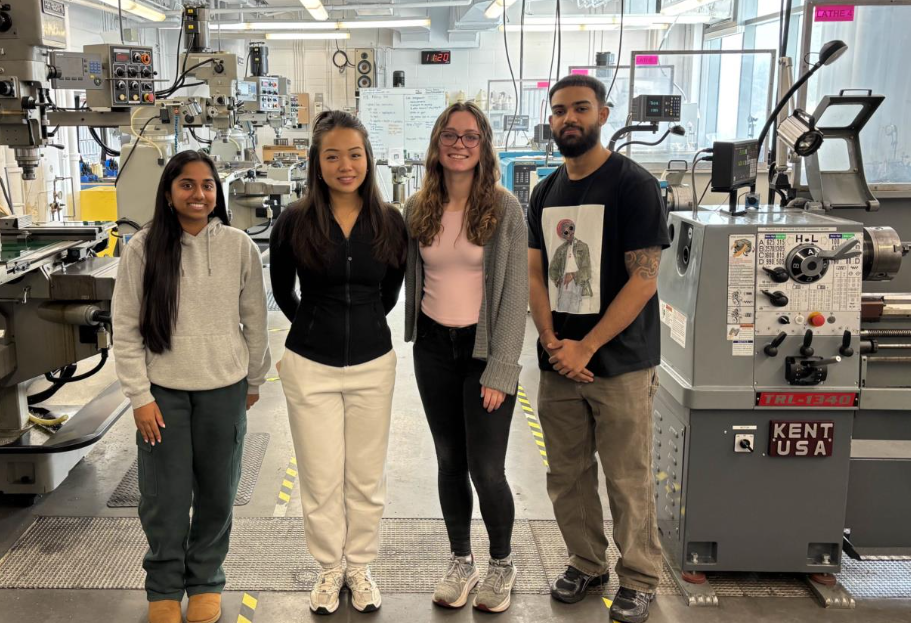
The Torch’s Design Team conducts their work in the McMaster Manufacturing Research Institute (MMRI), a state-of-the-art applied research and innovation centre affiliated with the Dept. of Mechanical Engineering.
Meet The 2026 Team
“We’re crafting a Torch that carries the flame of remembrance, honouring Canada’s past while lighting the way for future generations.”
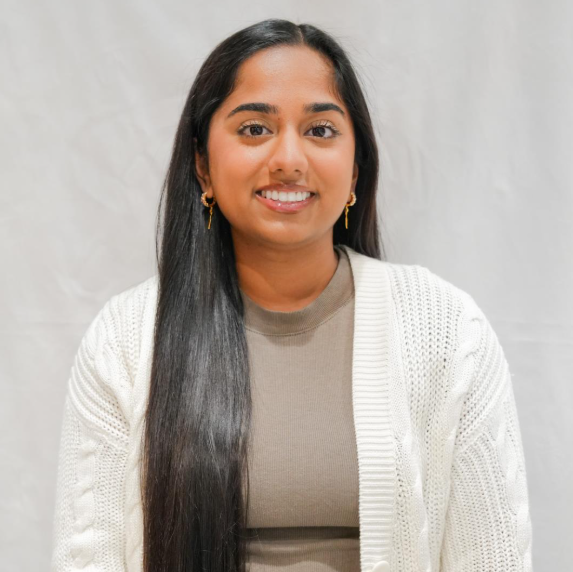
What attracted you to the project?
When choosing a capstone project, I knew I wanted to build something truly meaningful that people would actually need to use. The Canadian Remembrance Torch project stood out because it combines engineering with a powerful purpose: supporting remembrance events and helping Torchbearers carry a national symbol with pride and comfort. The idea of designing an exoskeleton arm support that directly affects someone’s experience in parades and ceremonies appealed to me. It’s a chance to apply engineering skills in a way that is visible, impactful, and emotionally significant to many Canadians.
What is your background? Do you have any ties to the First or Second World Wars, any other conflict, or remembrance in general?
While I don’t have any direct family ties to the First or Second World Wars or to more recent conflicts, I recognize how deeply these events have shaped Canada and the lives of many families. I’m genuinely interested in learning more about this history and understanding how remembrance is carried forward today.
What do you hope to gain from your involvement?
As a mechanical engineering student with prior internship roles in the nuclear industry and construction management, I am looking forward to gaining experience in a different context here; working with a national non-profit organization that operates in the public remembrance space and learning how engineering design fits into ceremonial, government, and community events. I also hope to learn about biomechanics and ergonomics through the design of the exoskeletal arm aspect since this is an area of mechanical engineering that I am interested in. Being part of a project that plays a role in national ceremonies and commemorations is a way for me to engage more actively with that history, rather than just learning about it in a classroom.

What attracted you to the project?
When choosing a capstone project through McMaster University, the Canadian Remembrance Torch – Exoskeleton Arm Support drew my interest since it reflected my family’s heritage. I am half Dutch on my dad’s side of the family and a quarter Italian on my mom’s side.
What is your background? Do you have any ties to the First or Second World Wars, any other conflict, or remembrance in general?
Both my Oma and Opa were born in Andijk in North Holland, Netherlands. Opa was born before World War Two started. My Oma’s parents were going to be married on May 6th, but the war started, and her father was called to war; she was born near the end of the war. Additionally, her grandfather was part of the underground resistance that helped in the Liberation of the Netherlands by Canadian troops. They immigrated to Canada in 1972.
My maternal grandparents are from San Vito Chietino, Italy, a small village south of the location of the Battle of Ortona, a famous battle during the Italian campaign. My great grandfather was a medic in the Italian Navy, and my great grandmother was living in San Vito during the Canadian liberation of the coast of the Adriatic Sea. My papa and his family immigrated to Canada in 1958 seeking a better life for their family.
Lastly, my maternal great-great grandfather was a soldier in the Canadian Expeditionary Force during the First World War. He was on the Western front fighting with the other allied forces to defeat the central powers.
What do you hope to gain from your involvement?
I am inspired by the Canadian Remembrance Torch’s goal of looking at remembrance from a contemporary view of looking forward rather than in the past and I hope to further this vision.

What attracted you to the project?
I was attracted to The Canadian Remembrance Torch project since I first saw the opportunity. Looking at the previous year’s work inspired me to contribute to the torch design both aesthetically and functionally. This year, the prospect of being able to promote prolonged torch-carrying by implementing an exoskeleton arm support, heavily intrigued me and I had been eager to get involved since. I soon read up on all of the previous media coverage and social media pages of the Canadian Remembrance Torch team to learn more about its mission and values. This was the beginning of my passion for this project, which has only grown stronger since.
I was attracted to The Canadian Remembrance Torch project since I first saw the opportunity. Looking at the previous year’s work inspired me to contribute to the torch design both aesthetically and functionally. This year, the prospect of being able to promote prolonged torch-carrying by implementing an exoskeleton arm support, heavily intrigued me and I had been eager to get involved since. I soon read up on all of the previous media coverage and social media pages of the Canadian Remembrance Torch team to learn more about its mission and values. This was the beginning of my passion for this project, which has only grown stronger since.
What is your background? Do you have any ties to the First or Second World Wars, any other conflict, or remembrance in general?
As a Canadian with a Chinese-Indonesian background, I don’t have any direct ties to the First or Second World Wars. However, my grandfather experienced the Indonesian War of Independence, and I have family members that served in the Army, making this project personal for me and my family’s military ties.
What do you hope to gain from your involvement?
From this project I hope to not only hone my engineering skills to be able to help keep the torch ceremonies running optimally, but to learn more about what remembrance means for Canadians and how to keep remembrance and gratitude alive every single day.
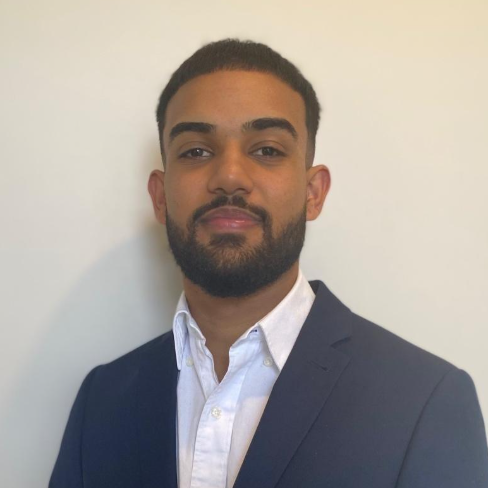
What attracted you to the project?
As an aspiring Mechanical Engineer, I believe that we as engineers are responsible for shaping the future, and through this project I hope to do so while also honouring and remembering the past. The Canadian Remembrance Torch project stood out as an opportunity to contribute to the Torch, a Canadian symbol of peace and freedom, through the integration of my skills and passion for mechanical engineering.
What is your background? Do you have any ties to the First or Second World Wars, any other conflict, or remembrance in general?
Though born in India, I was raised in Canada since the age of 2 and stand proudly today as a Canadian citizen. Despite not having any direct connection to the First or Second World War, my connection to family members that have served in the Indian Army and knowledge of the sacrifices they’ve made to uphold peace and freedom amidst the various conflicts India has faced over its own history has taught me the importance of honouring the bravery and sacrifices of those who served for us.
What do you hope to gain from your involvement?
Through this amazing opportunity that blends remembrance and engineering, I hope to design a functional exoskeleton support that holds this symbol of gratitude, peace, and freedom high and proud.